Why slow yoga is the hardest practice in the room
In a culture that rewards effort, speed, and intensity, the most radical thing you can do on a mat is slow down.
There is a reason most people reach for a fast, sweaty yoga class. Not because it is better for them — but because the nervous system reads effort as productivity, and productivity as safety. If I am working hard, I must be doing something right.
Slow yoga asks something much harder: can you stay present when nothing dramatic is happening?
Movement as inquiry
At The Garden, yoga is not about the shape of the pose. It is about what moves underneath it. Breath as the guide. The body as a place of intelligence to listen to, rather than a project to complete.
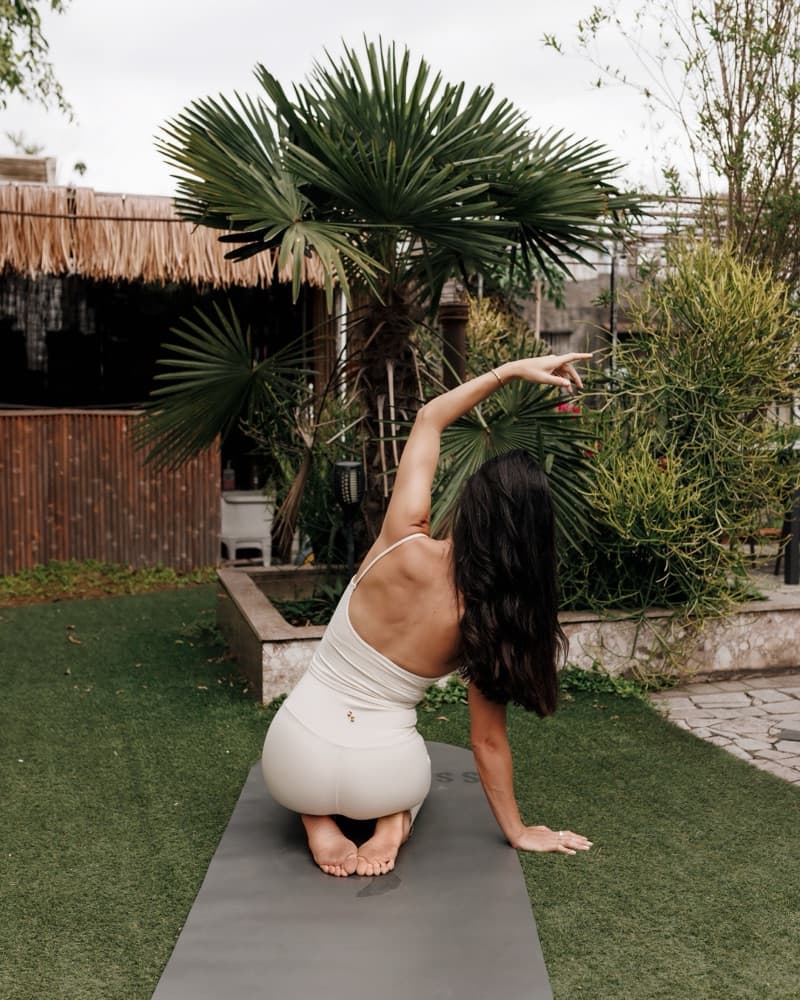
Our sessions are slow, grounded, and held in a real rooftop garden. You move. You breathe. You listen. And sometimes, in the quietest moment of a long hold, something shifts that no amount of effort could have moved.
What slow yoga does to the nervous system
The long, quiet holds of yin yoga reach the connective tissue — fascia, ligaments, tendons — that tighter, faster styles cannot access. But the real gift is neurological. Slow practice steadies the nervous system the same way sound or breath does: by signaling safety, over and over, until the body believes it.
All levels, always
If you have never done yoga, this is a beautiful place to start. If you have done yoga for years but always in fast, hot rooms — this might be the practice that finally lets you rest inside the work.
No flexibility required. No headstands. Just breath, movement, and the open sky above the garden.
Want to experience this?
Yoga →